Feng shui and energy
What Feng Shui Actually Means for Furniture Placement
Before diving into sofa angles and bed positions, let's get one thing straight. Feng shui is an ancient practice of arranging your environment to support wellbeing, and at its core, it's all about energy flow — often called chi or qi. Think of it as the invisible current running through a room. When furniture blocks that current, spaces feel stagnant and heavy. When it moves freely, rooms feel open and inviting. That's the foundation of how to arrange furniture for good feng shui.
Here's the refreshing part: you don't need to be a spiritual guru to apply this stuff. A lot of feng shui furniture arrangement comes down to plain common sense — don't block doorways, don't cram furniture against every wall, and don't create sharp corners pointing at your favorite reading chair. Simple, right? Understanding how to arrange furniture for good feng shui is really just about paying attention to energy flow and balance.
As one interior design professional recently put it, "Good feng shui and good interior design are basically the same conversation — one just uses different vocabulary." That's a refreshing lens, and it's exactly the approach we'll take for how to arrange furniture for good feng shui throughout this guide.
The Command Position and Spatial Harmony: The Single Most Important Rule for Energy Flow
If you walk away with only one principle about how to arrange furniture for good feng shui, make it the command position. In feng shui, the command position is the spot in a room where you have a clear view of the entrance without being directly in line with the door. It's considered the most powerful and secure place to sit, sleep, or work — and it's the cornerstone of how to arrange furniture for good feng shui in any room.
From a psychology standpoint, sitting with your back to a door creates low-level anxiety — you can't see who or what is approaching. Facing the door directly puts you in the path of rushing energy, which feels exposed. The command position is the sweet spot: diagonal from the door, with a solid wall behind you. This is where how to arrange furniture for good feng shui gets practical.
- Living room: Place your main sofa so it faces the entryway at a diagonal, with its back to a solid wall — not a window.
- Bedroom: Position the bed so you can see the door from where you lie down, but aren't directly aligned with it. A solid headboard against a wall is essential.
- Home office: Set your desk so you face the door, again with a wall behind you. Avoid having your back to an open hallway.
This single principle can transform how a room feels. Try it and notice the difference — it's the fastest shortcut to how to arrange furniture for good feng shui without overthinking every detail.
Living Room Layout and Conversation Circle: Social Seating for Positive Energy
The living room is where life happens — conversations, movie nights, lazy Sundays. In feng shui, it's considered the heart of the home, so getting the layout right matters big time. When figuring out how to arrange furniture for good feng shui in this space, think connection over convention.
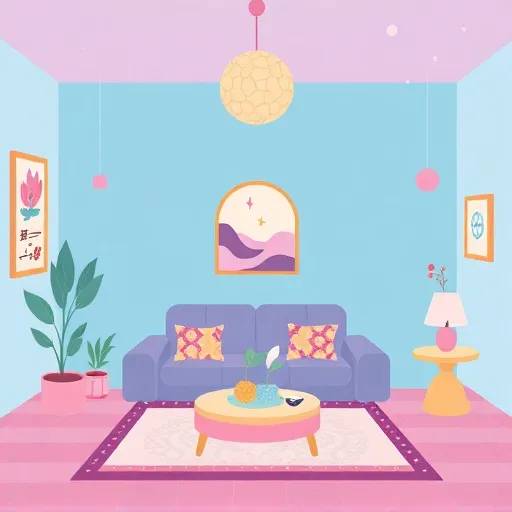
Instead of lining furniture up against the walls like a waiting room, arrange seating in a circle or U-shape. This encourages conversation and keeps energy circulating rather than pushing it to the edges. A pair of armchairs facing a sofa, with a coffee table in the middle, is a classic feng shui-friendly layout — and a perfect example of how to arrange furniture for good feng shui in action.
Rugs are underrated in feng shui. They define a space and ground the energy in a room. Choose a rug large enough that all your main furniture pieces sit on it — at least partially. This creates unity and stability. Also, watch out for sharp corners — in feng shui they're called "poison arrows" because they direct harsh energy at whatever they point toward. Round tables or oval coffee tables are generally preferred. And keep the entryway clear — the front door is the "mouth of chi," the main entry point for energy. A clean, welcoming entry sets the tone for the whole home and is a key part of how to arrange furniture for good feng shui.
Bedroom Placement and Restful Balance: Bed Orientation for Better Sleep
We spend roughly a third of our lives in the bedroom, so it deserves special attention. Bedroom feng shui is all about rest, intimacy, and feeling secure. When it comes to how to arrange furniture for good feng shui in this room, less really is more.
- Place the bed in the command position (diagonal from the door).
- Use a solid headboard — ideally wood or upholstered, not metal with bars.
- Avoid placing the bed directly under a window if possible.
- Don't put the bed directly under a ceiling fan or heavy shelving.
- Leave space on both sides of the bed for balanced energy.
Clutter is the enemy of good feng shui. Under-bed storage might seem convenient, but practitioners often suggest keeping the space under your bed clear so energy can circulate freely while you sleep. If you must store things there, choose soft items like extra blankets rather than heavy boxes. And if you can avoid it, don't put a desk in your bedroom — mixing work energy with rest energy creates a space that never fully lets you relax. This is one of the most overlooked tips for how to arrange furniture for good feng shui in a bedroom.
Dining Table and Kitchen Counters: Nourishment and Togetherness Layout
The dining area represents nourishment and togetherness. A round dining table or oval one is ideal in feng shui because it lets energy flow smoothly and encourages equal conversation among everyone seated. If you have a rectangular table, that's fine too — just make sure everyone has comfortable space. In the kitchen, keep counters as clear as possible. Storing appliances you don't use daily in cabinets reduces visual clutter, which directly supports good energy flow. If your stove is positioned so your back is to the kitchen entrance, consider adding a small mirror nearby — a classic feng shui adjustment and a smart move for how to arrange furniture for good feng shui in the kitchen.
Home Office Desk Position and Decluttered Workspace: Productivity Through Placement
With remote work and hybrid work now the norm in 2026, home office design has become a hot topic — and feng shui has plenty to say about how to arrange furniture for good feng shui for productivity. Face the door if you can. If that's not possible, place a small mirror on your desk so you can see the doorway reflected behind you — a common feng shui workaround that lots of remote workers swear by.
A cluttered desk equals a cluttered mind. Clear it at the end of each workday and keep only what you need within arm's reach. Plants are a great addition — they bring living energy (called sheng chi) into the space and soften harsh lines. Also, avoid facing a blank wall all day — it blocks vision and opportunity in feng shui terms. Hang artwork or a vision board in front of you instead. These small tweaks make a big difference when learning how to arrange furniture for good feng shui in a workspace.
Color Palette and Natural Lighting: Earth Tones, Warm Light, and Organic Materials
Furniture placement is the headline act, but color and lighting play strong supporting roles. In feng shui, different colors correspond to different elements — earth tones for stability, blues and greens for calm and growth, warm reds and oranges for energy and passion. The key is balance. A room that's all cool tones can feel cold; all warm tones can feel overwhelming. Mix and match to create harmony.
Natural light is always best — keep windows unobstructed and curtains light where possible. For artificial lighting, layer floor lamps, table lamps, and overhead fixtures rather than relying on one harsh source. Soft, warm light creates a cozy atmosphere that supports good energy. When it comes to materials, natural ones — wood, cotton, linen, stone — are preferred because they carry organic energy. A few well-chosen natural pieces can do more for a room's feel than a truckload of synthetic furniture. This holistic view is essential to how to arrange furniture for good feng shui that actually lasts.
Common Arrangement Mistakes and Clutter Traps: What to Avoid for Better Flow
Let's round things out with a quick checklist of feng shui mistakes that are easy to make and easy to fix when you're learning how to arrange furniture for good feng shui:
- Pushing all furniture against the walls: This creates a "dance floor" in the middle and makes conversation awkward. Float your sofa and chairs toward the center.
- Blocking pathways: Energy should move through the room. If you have to sidestep furniture to get across, rearrange.
- Placing mirrors facing the bed: In feng shui, this is believed to disrupt sleep and create restless energy.
- Ignoring the entryway: A cluttered front door blocks opportunity. Keep it clean and well-lit.
- Overcrowding small rooms: Less furniture, not more, is the answer. Choose multi-functional pieces and let the room breathe.
- Sharp corners aimed at seating: Redirect or soften them with plants, cushions, or rounded furniture.
Start with the command position, clear the clutter, let energy flow through your doorways and pathways, and use color and light to fine-tune the mood. Do that, and you'll have a home that supports you — not just aesthetically, but energetically. That's what how to arrange furniture for good feng shui is really all about. So go ahead — move that sofa off the wall, angle your desk toward the door, and see how different the room feels. Mastering how to arrange furniture for good feng shui starts with one small shift at a time.